Restaurant Instagram post ideas that actually work
Food close-ups, the people making it, and proof other people already love the place - in roughly that order of how often you should post them.
Food close-ups, the people making it, and proof other people already love the place - roughly in that order of how often you should post them. An Instagram account that only ever posts polished food photography reads as an advert; one that mixes in the kitchen, the staff and real customer reactions reads as a restaurant people actually want to visit.
Most independent restaurants either post nothing for weeks or post the same styled plate shot on repeat. Neither wins. The accounts that actually bring people through the door post often, post a genuine mix, and never fake anything a visitor could catch them faking.
What should a restaurant actually post on Instagram?
Five reliable categories, and most good restaurant accounts rotate through all of them: a hero shot of a dish, ideally one people can actually order tonight; a behind-the-scenes moment from service or prep, because people are curious what happens on the other side of the pass; a face - the chef plating, a server laughing with a regular, because faces get noticed in a feed of food photos; a genuine five-star review turned into a simple graphic or a repost of the customer's own photo; and, sparingly, an offer or an event, because a feed that is only ever selling something stops getting watched.
Video earns more attention than a static photo almost every time - a ten-second clip of a dish being finished at the pass, or dough being stretched, tends to outperform the same moment shot as a still.
How often should a restaurant post?
Consistency matters more than frequency. Three or four posts a week, kept up every week, beats a burst of daily posting for a fortnight followed by silence for two months - the algorithm and the audience both reward an account that shows up reliably over one that disappears. If you can only manage once a week, once a week done for a year is genuinely better than nothing.
What time should you actually post?
Whenever the people deciding where to eat tonight are scrolling - which for most restaurants is the late morning and mid-afternoon lull, well before the dinner rush when you have neither the time nor the signal to post anything. A lunch photo that goes up at 11am catches people who are still choosing where to go; the same photo posted at 8pm, mid-service, catches almost nobody and takes you away from the floor at the worst possible moment.
Should Stories carry the same content as the main feed?
No - Stories are where the rougher, more casual content belongs. A blurry ten-second clip of the kitchen mid-service, a quick poll about tonight's special, a repost of a customer's tagged photo - all of it works far better as a Story than as a permanent feed post, because the bar for polish is lower and the format rewards spontaneity. Save the feed for the shots you are actually proud of.
What is the single biggest mistake restaurants make on Instagram?
Going quiet the moment service gets busy - which is precisely the moment a good post would do the most good, because it is proof the restaurant is alive and worth visiting tonight. The accounts that go silent for a month and then post four things in one day are the clearest sign an owner is trying to catch up rather than genuinely keeping the account alive.
The honest reason most owners fall behind is not a lack of ideas - it is time. Writing a caption in the right voice, at the right moment, on top of running service, is a second job. That is the specific gap AgentResto's marketing agent, Joey is built to close - he plans a rolling content calendar, writes captions in your voice from a photo you send over Telegram, and posts on a schedule, so the account keeps showing up even on the nights you cannot think about it.
A five-star review is one of the easiest posts to make and one of the most persuasive - see our guide to handling reviews properly for how the good and bad ones should be treated differently. And Instagram is only half the visibility picture - pair it with a properly kept Google Business Profile, since that is where most people actually check before they book.
Questions people ask
Do I need professional photography for restaurant Instagram posts?
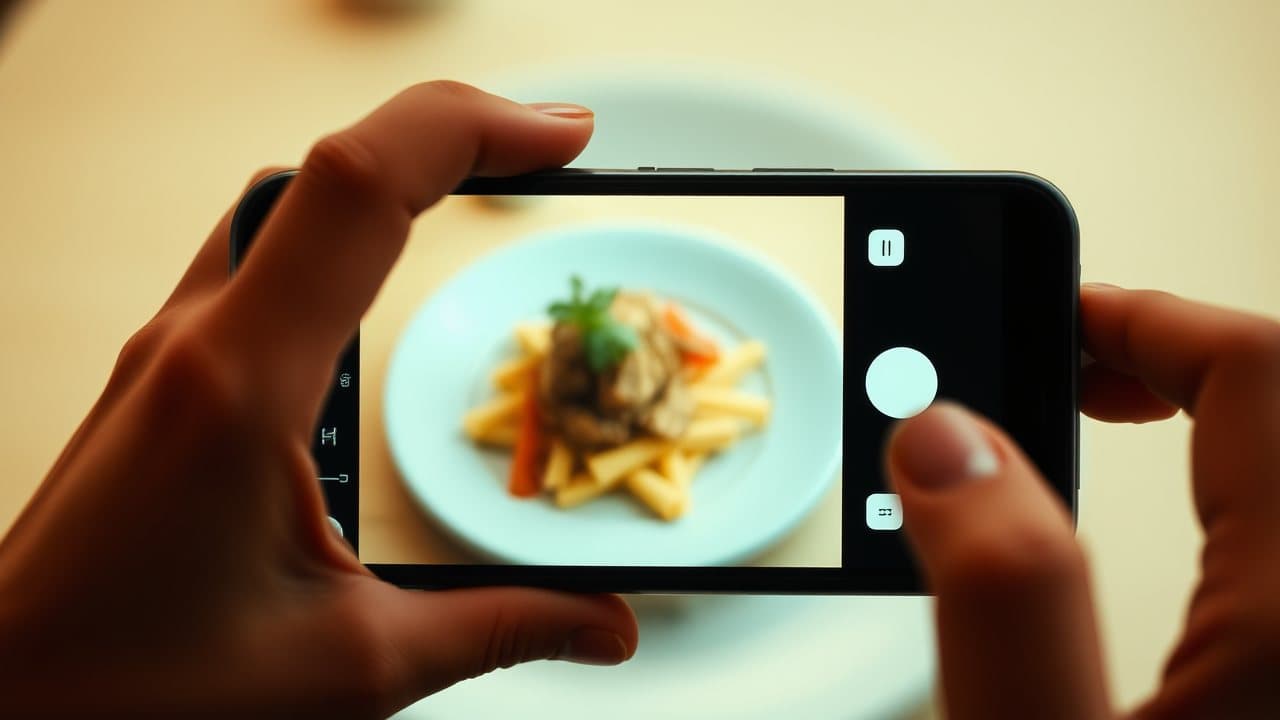
No - natural light from a window, a clean background and a steady hand get you most of the way there. A phone camera shot at the right moment, with steam or a garnish still fresh, usually outperforms an overly staged photo that looks like stock imagery rather than tonight's actual plate.
Should I use hashtags on every post?
A handful of specific, relevant ones - your town, your cuisine, your dish - help more than a long generic list. Ten well-chosen hashtags beat thirty scattergun ones, which can read as spammy and rarely bring in the kind of local, hungry follower you actually want.
Is it worth running paid ads on top of organic posts?
Only once your organic content is already working - ads amplify a good account, they do not fix a quiet one. Get a consistent posting habit and a feed you are proud of first, then consider a small local budget aimed at people near the restaurant.
What if my restaurant doesn't photograph well - it's more about the food than the room?
Then lean entirely into the food and the people. A beautifully lit room is a bonus, not a requirement - plenty of the best-performing restaurant accounts are shot in ordinary kitchens and dining rooms, and the food and the personality behind it are doing all the work.